

RegenSyn Energy
Turning hard-to-treat waste
into clean syngas
The Hydrogen Torch Reformer (HTR) is a high-temperature reactor that breaks liquid and gaseous hydrocarbon-containing waste down into hydrogen and carbon monoxide. The process is non-catalytic, which allows a wide range of contaminated feeds to be processed. It has been tested on real industrial waste at the RegenSyn Energy pilot facility in Corpus Christi, Texas.
Solutions
Turn waste streams into syngas, a valuable resource
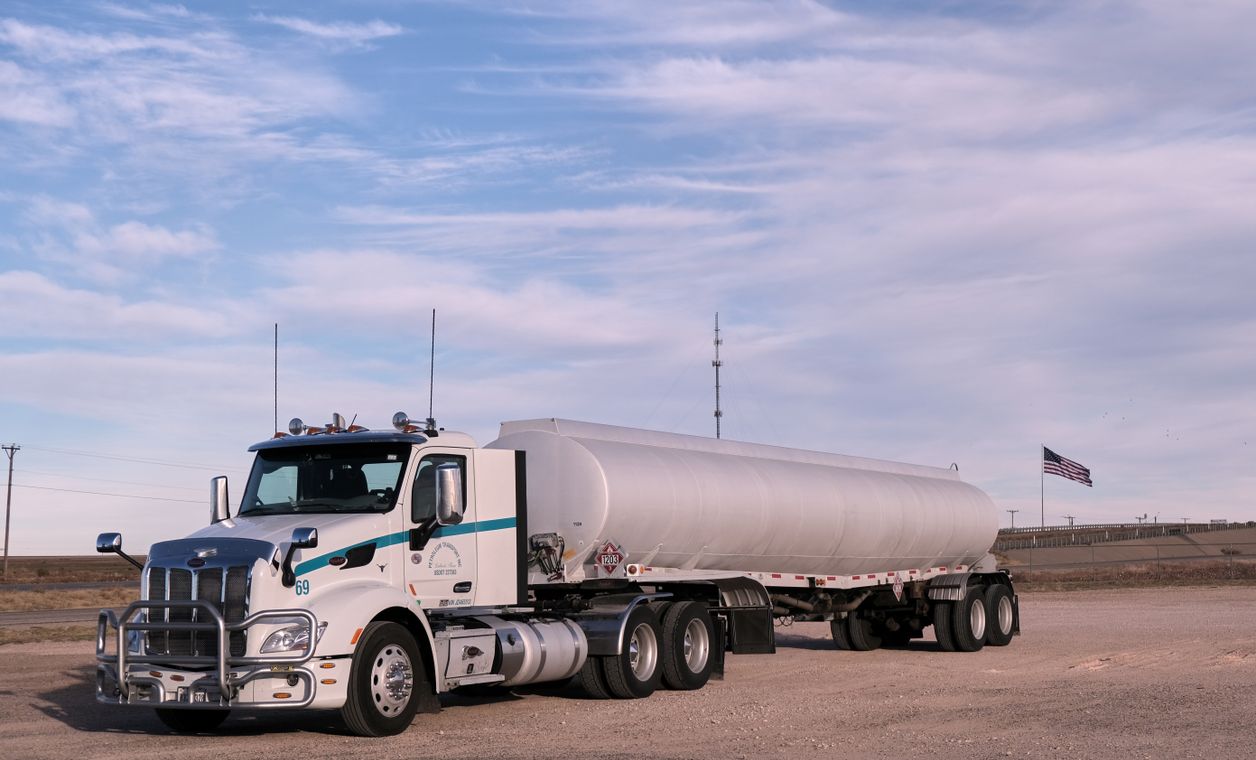
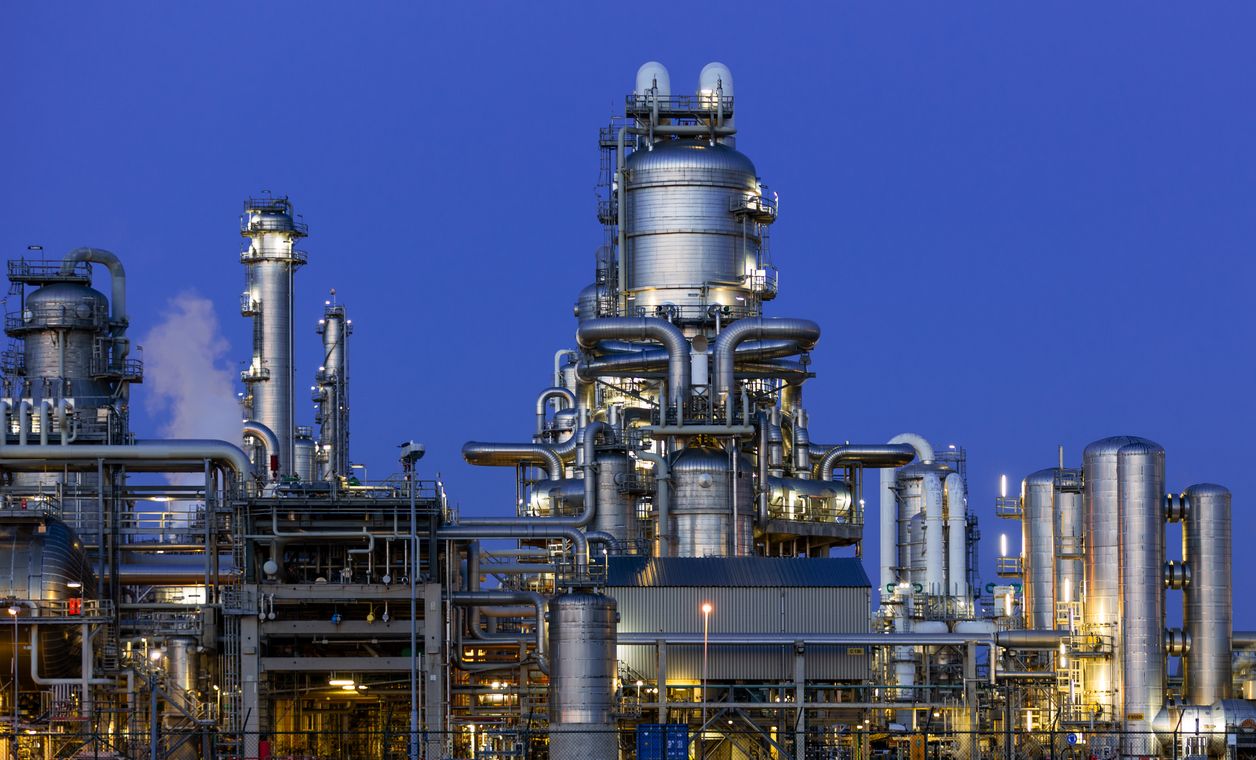
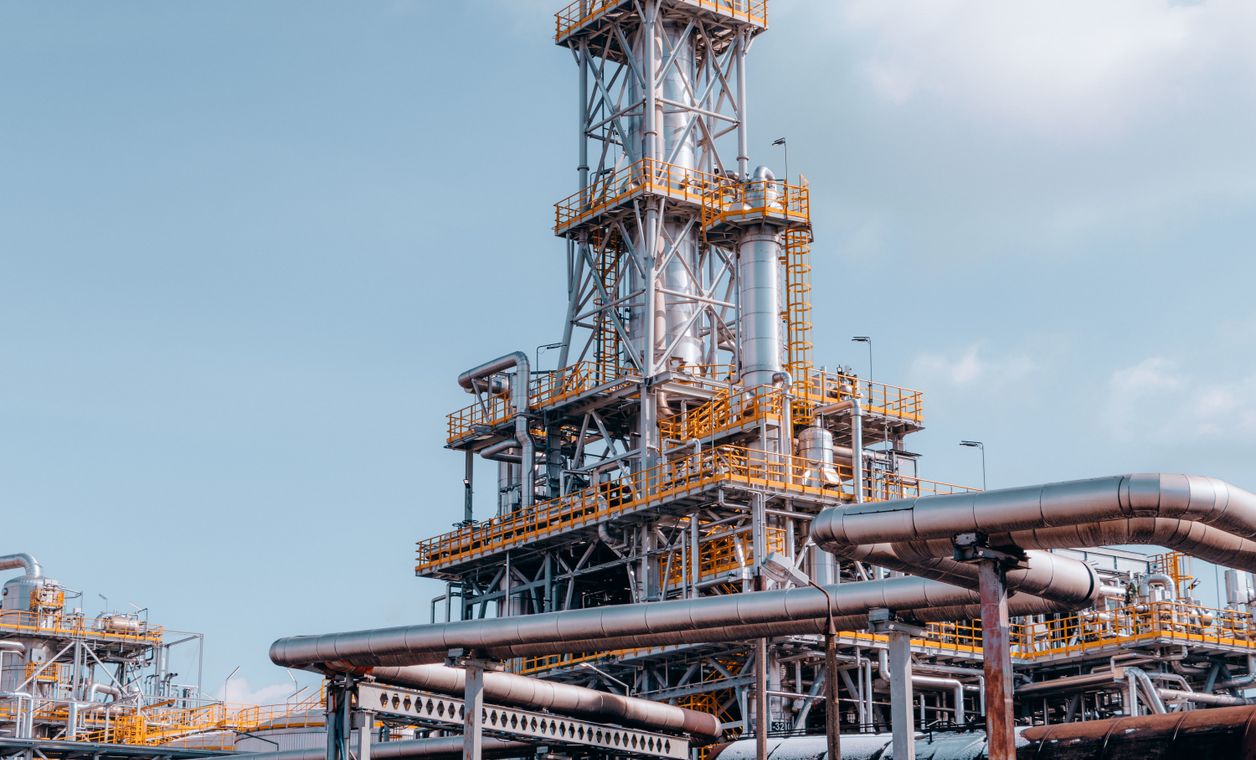
Petrochemical and refining sites
Boost syngas capacity and handle problem streams on site instead of shipping them out.
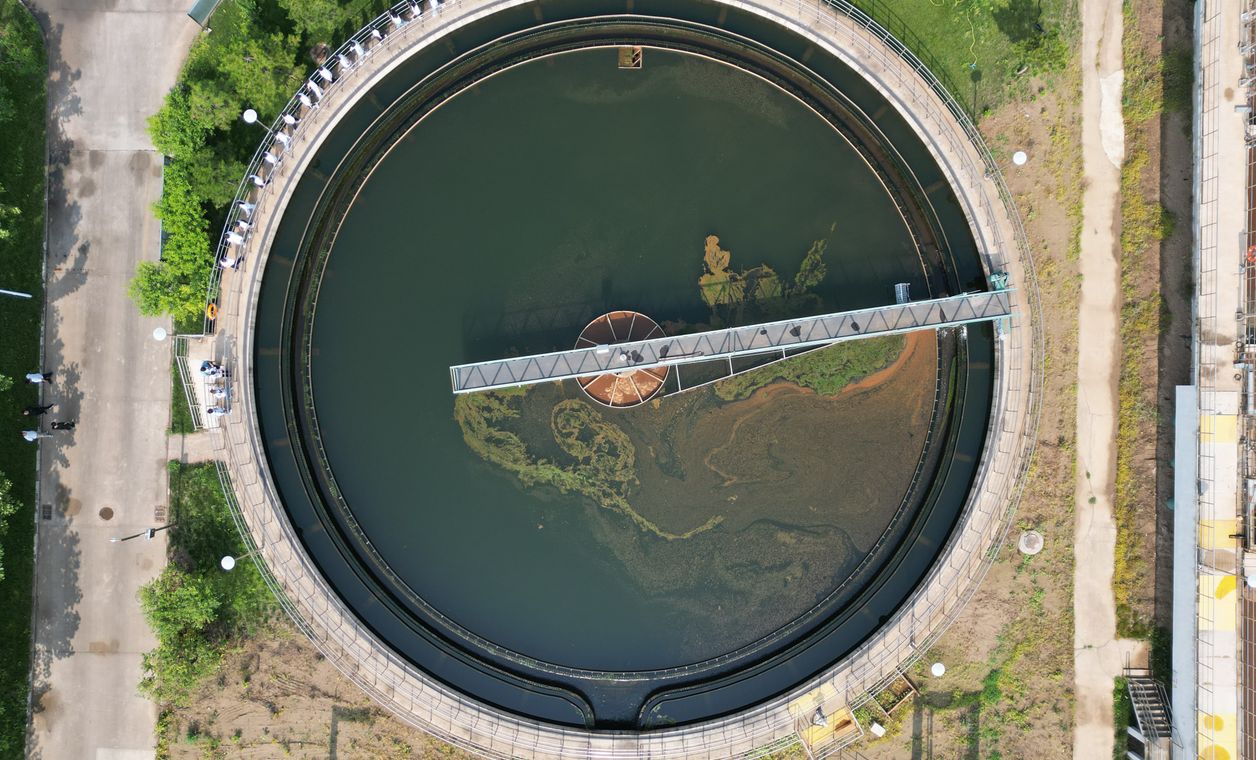
PFAS-laden waste streams
Break down PFAS and PFAS concentrates instead of storing or trucking them.
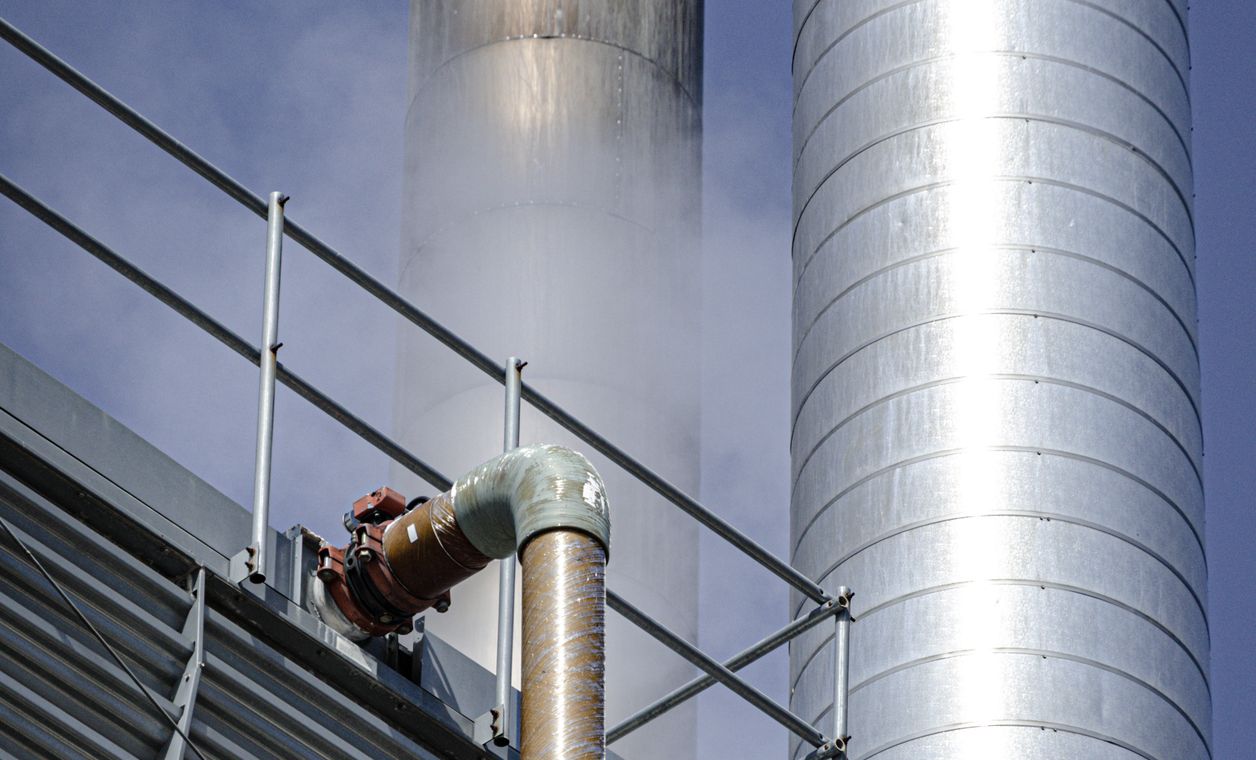
Off-gas from gasification and pyrolysis
Reform tarry, chlorinated off-gas into clean syngas.
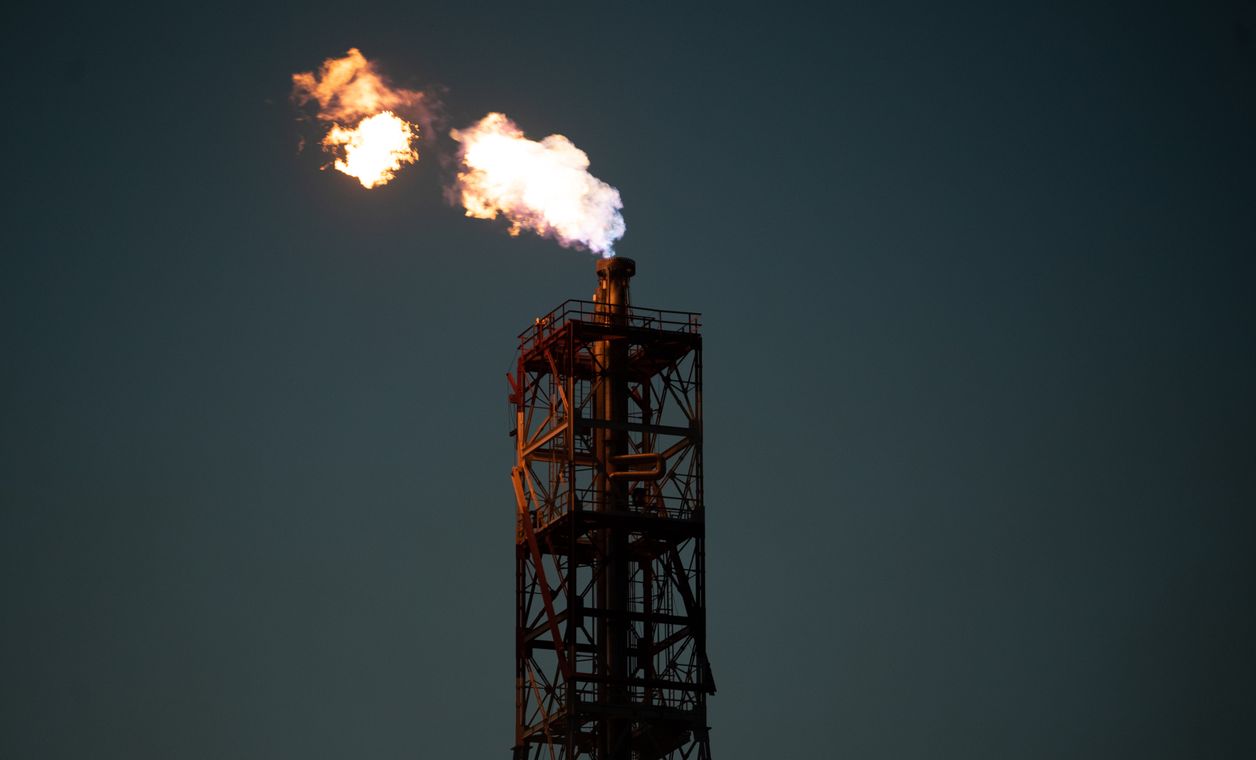
Flare gas to methanol and DME
Convert light gas into a liquid product instead of flaring.
What the HTR does
Decompose, recover, capture
Most treatment options either move a hazard somewhere else or pay to burn it. The HTR does three things at once.
Decompose
Organic contaminants, including PFAS, are decomposed to H₂, CO, CO₂ and H₂O at 2,100 to 3,600 °F (1,150 to 2,000 °C).
Recover
The carbon and hydrogen are recovered as syngas that can be used for power or fuel gas, or converted into methanol, ammonia, SAF or other petrochemical products.
Capture
Halogens leave the reactor as acid gases and are captured on a sorbent quench inside the skid. Sulfur leaves as H₂S and is removed with standard sulfur abatement technology. Solid particles are captured and can be safely landfilled.

Most industrial sites have at least one waste stream that is costly to dispose of.
The HTR converts it to syngas, a feedstock for power, fuel gas or chemicals.
Solvents, residues, off-spec product, sour gas and contaminated water are trucked, incinerated or injected today. Converted to syngas, they can offset disposal cost with power or product revenue.
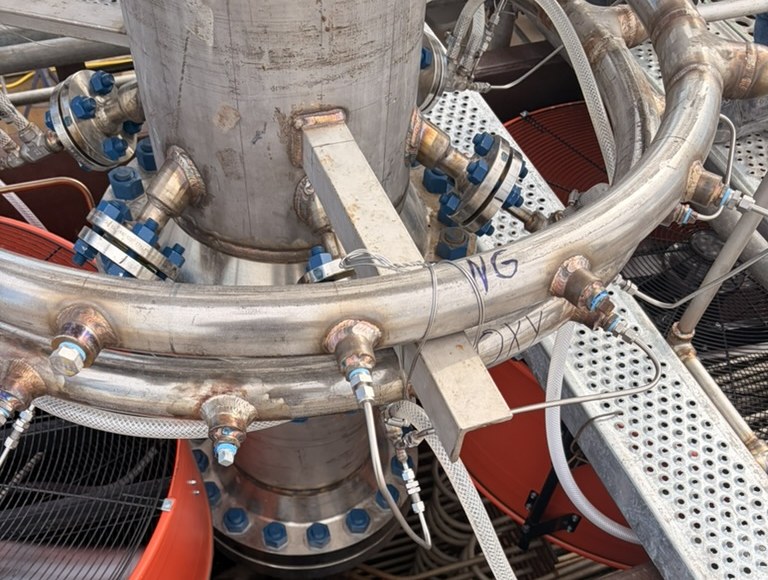
The HTR
Same skid, many applications
RegenSyn Energy builds and delivers the HTR as a skid-mounted module: the reactor plus a sorbent halogen quench on one frame. The steps around it, such as receiving and blending the waste upstream, additional gas cleanup, upgrading of the syngas to products or power generation downstream, are designed for each site.
50,000 gpd
Liquid treatment capacity per skid, wastewater and liquid hydrocarbons combined (about 1,190 bbl/day).
- The same skid design across every application
- Built and tested as one unit before it ships
- Pre-treatment and downstream matched to the feed and the end product
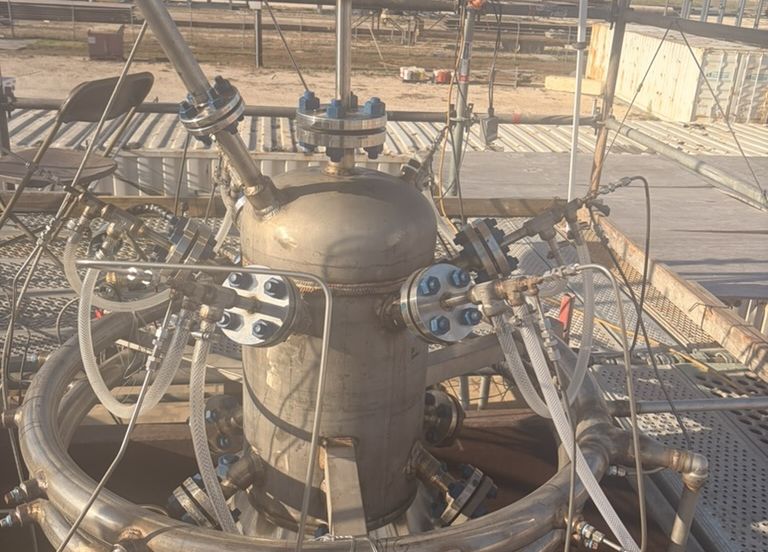
Pilot program · Corpus Christi, TX
Real industrial feeds through one reactor
Throughout 2026, the pilot unit has run campaigns on an industrial solvent blend, mixed chemical waste, propane, natural gas and eight PFAS-laden wastewaters with PFAS concentrations from 2,000 to above 200,000 ng/L. Diesel or a heavy aromatic solvent served as the hydrocarbon source for the PFAS tests.
Detailed results are available to qualified partners under NDA.
Every case is unique
Describe your waste stream.
Share a description of the waste stream and RegenSyn Energy will give a first view of whether it fits the HTR and what it could produce. An NDA can be put in place first.
A feasibility study or pilot test is available on request.